Multi Outlet F&B Expansion in the UAE: Why Most Accountants’ Models Fail by Year 3
When Rami opened his first restaurant in Dubai in 2020, his accountant told him what every spreadsheet tells an ambitious business owner:
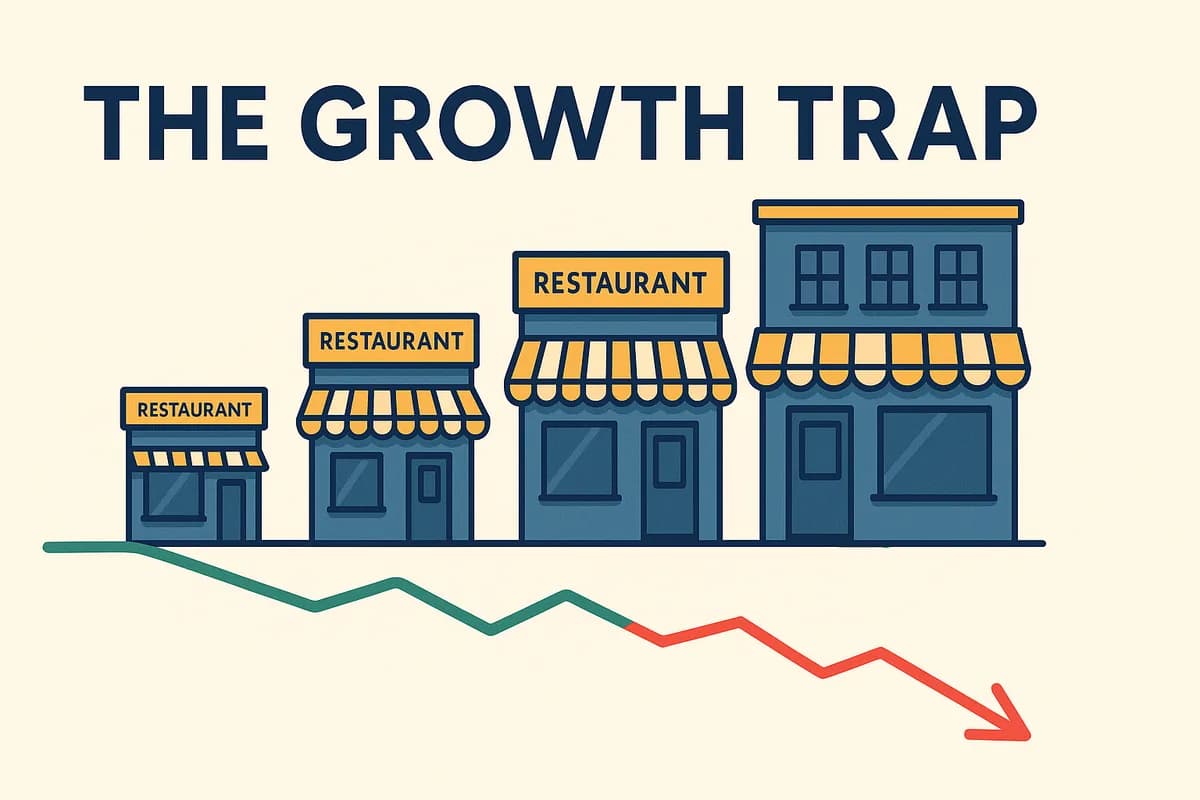
When Rami opened his first restaurant in Dubai in 2020, his accountant told him what every spreadsheet tells an ambitious business owner:
“If you keep margins steady and sales grow 15% per year, we’ll break even on outlet three.”
By 2023, Rami had five outlets, a loyal customer base—and a liquidity crisis so severe his post-dated rent cheques were bouncing.
His accountant’s Excel model still said the business was “profitable.”
So, what went wrong?
And why do most UAE multi-outlet F&B operators hit the same wall by Year 3, no matter how detailed their P&L looks?
Let’s unpack the invisible pitfalls that traditional accounting models miss—and how smarter, cash-based working capital forecasting can prevent expansion from turning into exhaustion.
1. Accrual Profit ≠ Cash Reality
Accountants love clean margins and accrual-based profit lines.
But F&B cash cycles are messy.
In Rami’s model, supplier payments were entered as monthly averages, not as the lumpy, upfront 60% prepayments they really were.
Rent deposits, fit-out advances, and delayed VAT refunds weren’t part of the cash view either.
By outlet three, his P&L showed a 12% net profit.
His bank account showed AED -240,000.
Lesson: In the UAE’s fast-moving hospitality landscape, profit doesn’t pay suppliers—cash does.
The first failure point for most models?
They forecast revenue beautifully and ignore working capital timing.
That’s where Capmob’s unsecured business finance or invoice discounting helps operators stay liquid when growth outpaces cash inflow.
2. Seasonality Is Underestimated—Always
Every UAE F&B operator knows the summer slump is real.
Yet almost every model smooths sales across twelve months.
By outlet two, Rami’s team assumed June–September sales would only dip 10%.
Actual drop? 35%.
Payroll, rent, and supplier costs didn’t shrink with the heat.
He survived by maxing out a personal credit card at 3% per month.
Lesson: When your business depends on footfall, temperature, and tourism, you need to model worst-case quarters, not “average months.”
The right short-term working capital line or Sharia-compliant overdraft bridges seasonal liquidity gaps—without expensive credit cards or equity dilution.
3. The Expansion Trap: Fit-Outs and Deposit Black Holes
Every new outlet is a shiny milestone—and a silent liquidity killer.
Fit-outs, advance rents, licenses, and deposits can consume up to 30–40% of annual turnover.
Most accountants “capitalize” these as assets, so they don’t appear in the cash flow pain chart.
By the time Rami launched his fourth outlet, AED 1.2 million was locked in fit-outs and rent deposits.
Revenue was growing—but cash velocity was collapsing.
Lesson: Multi-outlet expansion burns cash before it generates it.
If your accountant isn’t stress-testing for capital drag and deposit lockups, the model is lying to you.
That’s where Capmob’s UAE working capital solutions can convert trapped costs into flexible liquidity.
4. Supplier Terms Tighten Just When You Need Them Loosened
In year one, suppliers trust you.
In year three, they expect faster payments—especially when they know you’ve grown.
Ironically, as Rami’s outlets increased, his supplier credit days dropped from 45 to 21.
Why?
Suppliers were juggling higher order volumes and exposure limits.
His model assumed the opposite—that larger scale would earn better terms.
Lesson: Scale does not automatically improve credit terms in the UAE.
If anything, liquidity gaps widen as suppliers safeguard themselves.
Structured invoice finance or supplier credit facilities allow F&B operators to protect working capital and maintain healthy supplier relationships—even during expansion.
5. The Accountant’s Blind Spot: Receivables Reality
For dine-in outlets, cash collection seems straightforward—POS settles instantly.
But once you add delivery aggregators, catering clients, and corporate accounts, your “cash” turns into 30–60-day receivables.
Rami’s accountant modeled aggregator payouts as weekly.
In reality, they hit the account 3–4 weeks late—with deductions for promotions and commissions.
Result: the forecasted cash inflow was always running one cycle behind.
Multiply that across multiple outlets, and you get a silent cash starvation effect that no P&L line reveals.
Lesson: In multi-channel F&B, cash conversion cycles define success.
Accountants need to model not just profits—but the timing precision of real cash inflows.
6. Bank Financing: The Mirage of “Approval Pending”
When the crunch comes, accountants often assume the next bank facility or overdraft will bridge the gap.
But in the UAE, post-Year 2 financials often trigger red flags—especially if leverage ratios have stretched during expansion.
By the time Rami’s accountant submitted the file, the facility took six weeks to “review.”
By week four, two cheques had bounced.
Lesson: Banks move at their own pace.
Cash flow crises don’t wait.
Operators who rely on “pending” facilities instead of structured working capital partners end up reacting too late.
7. How Smarter Cash Modeling (and Smarter Finance) Changes the Game
Rami eventually restructured his finance setup—moving away from static accounting models to dynamic cash flow forecasting, built around:
Real receivable cycles by outlet and channel
Supplier prepayment mapping
Seasonal variance stress testing
Fit-out amortization and deposit tracking
Contingency buffers (3–4 months of fixed cost coverage)
With CapMob’s unsecured working capital and invoice discounting lines, he stabilized liquidity, normalized supplier terms, and avoided new equity dilution.
Three months later, his expansion resumed—on a model that reflected reality, not just ratios.
Final Thought
If you’re scaling a multi-outlet F&B brand in the UAE, your biggest financial risk isn’t competition or rent—it’s cash blindness.
Accountants can build perfect P&Ls and still miss the liquidity cliffs that appear in Year 3.
The fix isn’t another spreadsheet.
It’s smarter modeling, transparent cash finance, and proactive planning built around your industry’s real cash rhythms.
If you’re facing similar challenges—or want to stress-test your cash flow model before your next outlet launch— .
Capmob helps UAE F&B operators like you unlock liquidity faster than banks, through unsecured business finance, invoice discounting, and Sharia-compliant options—structured, transparent, and built for your next stage of growth.